2017-2022 Ford Superduty Engine Guide: The WorkHorse of Engines
The 4th-generation Ford Super Duty (2017–2022) ushered in major advancements in towing, durability, and refinement. With an aluminum body, stronger frames, and improved powertrains, these trucks were engineered for serious work — and serious longevity.
This guide explores the three primary engines of the era:
- 6.2L SOHC Gas V8 (carryover)
- 7.3L Pushrod “Godzilla” V8
- 6.7L Powerstroke Diesel V8 (2nd Gen)
Whether you’re hauling, upgrading, or shopping — this breakdown has you covered.
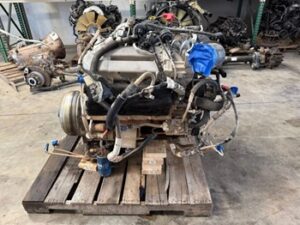
Gas Engine: 6.2L SOHC V8 (Carryover)
 Overview
- Displacement: 6.2L / 379 cu in
- Power: 385 hp @ 5,750 RPM
- Torque: 430 lb-ft @ 3,800 RPM
- Fuel Type: Regular unleaded
- Transmission: 6-speed TorqShift → 10-speed TorqShift (later years)
Key Features
- Cast-iron block with aluminum heads
- Roller rocker arms, hydraulic lifters
- Proven durability over millions of units
Strengths
- Excellent reliability and low maintenance
- Great fleet/commercial choice
- Simple to service and inexpensive to own
Weaknesses
- Lacks low-end torque for heavy towing
- Starting to feel dated compared to newer options
Reliability & Maintenance
- Life Expectancy: 250,000–300,000+ miles
- Known Issues: Occasional cam phaser tick
- Ideal Use: Government, construction, and budget-conscious haulers
Gas Engine: 7.3L Pushrod “Godzilla” V8 (New for 2020)
Overview
- Displacement: 7.3L / 445 cu in
- Power: 430 hp @ 5,500 RPM
- Torque: 475 lb-ft @ 4,000 RPM
- Fuel Type: Regular unleaded
- Transmission: 10-speed TorqShift
Key Features
- Overhead valve (OHV) pushrod design
- Cast-iron block, forged steel crank
- Hydraulic roller lifters, VVT
- Designed for ease of service and big torque
Strengths
- Best-in-class gas towing performance
- Simpler than OHC designs — fewer parts, easier service
- Massive aftermarket support and swap potential
Weaknesses
- Lower RPM range than OHC engines
- Slightly heavier than 6.2L
Reliability & Maintenance
- Life Expectancy: 300,000–400,000+ miles
- Known Issues: Very few reported; strong bottom end
- Ideal Use: RV upfits, plow trucks, high-mileage fleet and personal towing
Diesel Engine: 6.7L Power Stroke V8 (2nd Gen)
2017–2019 Version
- Power: 440 hp @ 2,800 RPM
- Torque: 925 lb-ft @ 1,800 RPM
- Turbo: Single-sequential VGT
- Injection: Bosch CP4.2 common-rail
2020+ Version (Refreshed)
- Power: 475 hp @ 2,600 RPM
- Torque: 1,050 lb-ft @ 1,800 RPM
- Turbo: Larger ball-bearing VGT
- Injection: CP4.2 (refined), upgraded injectors
- Other Upgrades: New steel pistons, stronger heads, improved cooling
Key Features
- Reverse-flow head design
- Lightweight CGI block
- Exceptionally quiet and refined for a diesel
Strengths
- Dominant towing capability
- High durability and low NVH
- Strong support for tuning and performance mods
Weaknesses
- CP4.2 pump is a known failure point (especially pre-2020)
- Expensive to service out-of-warranty
Reliability & Maintenance
- Life Expectancy: 400,000+ miles
- Known Issues: CP4 pump failures (mitigated in 2020+), sensor failures
- Ideal Use: Heavy towing, RV hauling, commercial fleets
Dyno Output Summary
Maintenance Schedule Comparison
What Made the 4th Gen Special?
1. Aluminum Body Panels
- ~350 lbs lighter than steel
- Rust-resistant and dent-tolerant
- Same grade used in military vehicles
2. High-Strength Steel Frame
- 95% high-tensile steel
- Fully boxed rails
- Improved ride and max payload
3. Smart Towing Tech
- Pro Trailer Backup Assist
- Trailer Reverse Guidance
- Trailer Sway Control
- Adaptive Steering (Lariat+)
Modifications & Tuning Insights
Gas Engines
- Cold air intake + throttle body spacer
- Performance PCM tuning
- Long-tube headers / cat-back exhaust
Diesel Engines
- Turbo upgrades (especially 2017–19)
- CP4-to-CP3 conversion kits
- Intercooler & charge pipe upgrades
- Tuning (emissions-compliant options available)
Note: Some mods affect emissions compliance. Check local laws before installation.
Final Thoughts
Ford’s 2017–2022 Super Duty lineup raised the bar across all categories — power, capability, and innovation. Whether you need a reliable fleet motor, a towing monster, or a gas-powered torque machine, this generation delivers.
Best Gas for Work: 6.2L — low cost, proven
Best Gas for Towing & Longevity: 7.3L Godzilla
Best All-Around Diesel: 2020+ 6.7L Power Stroke
With modern features and serious backbone, the 4th-gen Super Duty continues to dominate work sites, ranches, and tow lanes nationwide.

The Patriotic Philosopher of Possum County Billy Hill is what happens when a six-pack of root beer, a John Deere hat, and the U.S. Constitution have a baby in the back of a pickup truck. Hailing from the grand hills of somewhere-between-here-and-there, Billy proudly considers himself a “hillbilly” — but with a PhD in common sense and a minor in wrestling raccoons off his porch. With a mullet that flows like a bald eagle in slow motion and a wardrobe that screams “Walmart clearance aisle patriotism,” Billy doesn’t just love America — he is America. He celebrates the 4th of July so hard his neighbors file noise complaints with the bald eagle sanctuary three counties over. Billy’s life philosophy is simple: “If it ain’t broke, duct tape it anyway for extra freedom.” He doesn’t take life too seriously because, as he puts it, “Ain’t no point stressin’ when you got barbecue sauce and a recliner.” He believes everything in life can be solved with a grill, a beer, or a rousing debate about which state has the best gas station snacks. Billy once tried to start his own political party: The Red, White, and Brew Party: its platform consisting entirely of fireworks, lawn chairs, and banning low-fat anything. Whether he’s hunting invisible squirrels in flip-flops or giving unsolicited wisdom like “You can’t buy happiness, but you can buy bacon,” Billy Hill is the national treasure no one asked for, but America somehow deserves.

Subscribe to the Hillbilly Newsletter
Research
Need Help? Search our Articles.